
Why the Clocks Go Back and How It Can Affect Your Mood
Oct 26, 2026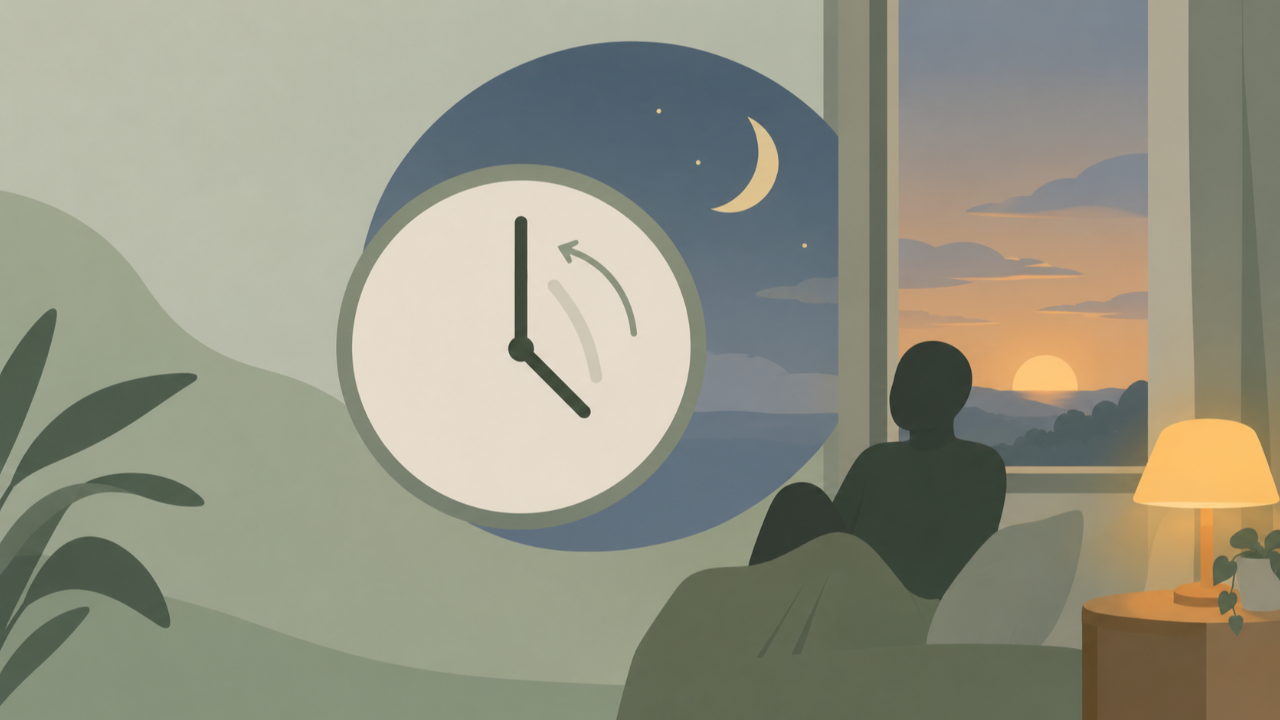
On Sunday 25 October, the clocks went back an hour. An extra hour in bed sounds great, but the darker evenings can hit harder than expected.
So why do clocks go back and forward? The UK started changing its clocks in 1916 to make better use of daylight. And why do clocks go back at 2am? The change happens on a Saturday night into Sunday morning, which is the least disruptive time for schools and businesses, and most of us are asleep.
Why Your Mood May Dip
Less evening light raises melatonin, which makes you sleepy and sluggish, and lowers serotonin, which can affect your mood and energy. Most people notice the winter blues. For some, it’s seasonal affective disorder (SAD), which is a form of depression that follows a seasonal pattern, usually starting in autumn or winter. Common signs include feeling depressed, withdrawing, lacking motivation and changes in sleep and eating.
What Helps
Get daylight, even on cloudy days, and make time for exercise and being outdoors. Keep a steady routine and stay in touch with people you trust.
When You Need More Than a Technique
If certain thoughts keep circling back no matter how many times you challenge them, that's usually a sign they're tied to something deeper: an old experience, a long-held belief about yourself, or a pattern that started long before the situation in front of you today. That kind of work is hard to do fully alone, and it's exactly what therapy is for.
If this sounds like where you are right now, we'd be glad to help you work through it.
Stay connected with news and updates!
Join our mailing list to receive the latest news and updates from our team.
Don't worry, your information will not be shared.
We hate SPAM. We will never sell your information, for any reason.